New Shipping and Certification Rules for Canadian Exports
Mandatory electronic certificate filing via U.S. CPSC systems and updated Section 301 rules require immediate operational changes for Canadian exporters, freight forwarders, and logistics platforms.
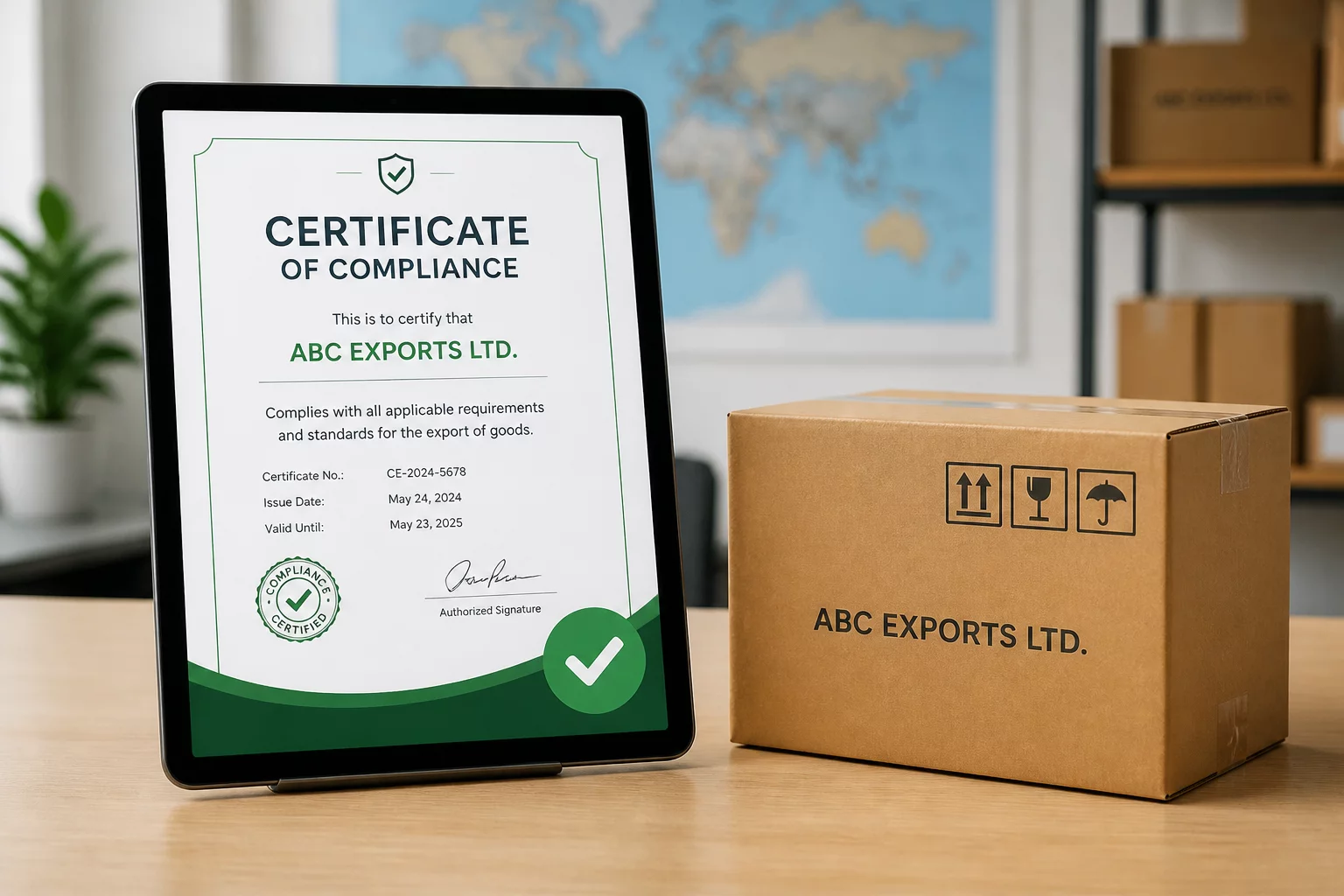
Electronic Certification & Cross-Border Freight Systems
The United States Consumer Product Safety Commission (CPSC) now mandates electronic filing of Certificates of Compliance directly into the Automated Commercial Environment (ACE). Concurrently, updated Section 301 tariff enforcement mechanisms require Canadian online retailers and logistics operators to restructure shipment processing protocols.
Key Assessment Points
-
01
Mandatory ACE e-Filing Integration Digital transmission of General Certificates of Conformity (GCC) and Children's Product Certificates (CPC) is now required before cargo crosses the border.
-
02
Section 301 Tariff Surveillance E-commerce aggregators and cross-border fulfillment centers face automated bill-of-materials verifications for products incorporating overseas parts.
-
03
Pre-Clearance Validation Mandatory Carriers must verify completed electronic compliance sets prior to dispatch, preventing border detentions and demurrage surcharges.
Shift Toward Automated Cross-Border Compliance
The transition from paper-based General Certificates of Conformity (GCC) to standardized Partner Government Agency (PGA) message sets within the Automated Commercial Environment marks a decisive modernization in U.S. customs entry processing. Canadian exporters moving regulated goods into the U.S. can no longer rely on physical paperwork accompanying shipping manifests.
Under these tightened enforcement standards, the CPSC eFiling system requires granular targeting data elements, including certificate identifiers, certified manufacturing dates, testing lab accreditation records, and custodian contact information. Without these pre-validated electronic entries, cargo manifests are automatically flagged by CBP automated targeting systems, delaying port clearance.
"Automated certificate validation drastically accelerates border throughput for synchronized shippers, but it creates instant bottlenecks for supply chains with fragmented compliance data."
David Ross, Senior Trade Compliance SpecialistSection 301 Reconfiguration for E-Commerce
Simultaneously, U.S. customs authorities have intensified scrutiny on cross-border e-commerce consignments. Products assembled or consolidated in Canadian warehouses containing components subject to Section 301 duties are subject to stringent origin determination tests. Canadian online retailers operating direct-to-consumer fulfillment models must reconfigure internal databases to track exact component origins across all stock-keeping units.
Logistics operators are integrating advanced warehouse management middleware to ensure each outbound package carries harmonized tariff codes, verifiable certificates of origin, and automated compliance records matching strict customs requirements.
Technical Compliance Criteria & Filing Standards
Canadian exporters and cross-border freight brokers must align their digital data architecture with three mandatory operational pillars under the updated import framework:
CPSC Product Registry
Registration of product certificates into the CPSC database to generate unique Product Registry IDs for rapid ACE clearance.
Lab Test Verification
Mandatory archiving of third-party accredited test results proving compliance with applicable safety rules and standards.
PGA Message Sets
Transmission of complete digital certificate data directly via customs broker EDI messaging prior to vehicle arrival.
Discrepancies between physical packing lists and electronically transmitted certificate data result in immediate entry rejections, secondary warehouse audits, and potential administrative monetary penalties.
Operational Preparedness for Logistics Providers
Freight forwarders and motor carriers are updating departure protocols to prevent truck driver delays at border crossings. Shipments can no longer be dispatched until customs brokers issue verified pre-arrival clearance confirmation matching the electronic compliance record.
For high-volume e-commerce fulfillment facilities, warehouse picking systems must now integrate real-time compliance validations. If a product SKU lacks an active certificate in the registry, parcel label creation is automatically paused until compliance teams attach verified documentation.
Customs compliance training across operational teams has become essential to navigate these interconnected tariff and safety frameworks efficiently.
Strategic Recommendations for Exporters
Complete all CPSC electronic filings before goods leave Canadian dispatch hubs to eliminate cross-border clearance halts.
Incorporate automated certificate validation directly into warehouse order fulfillment and dispatch workflows.
Perform routine component origin audits on all manufactured and assembled goods exported to the U.S. market.
Confirm that licensed customs brokerage partners maintain updated PGA integration with ACE customs portals.


Discussion & Professional Opinions
No comments yet. Be the first to contribute to this discussion.
Contribute to Discussion